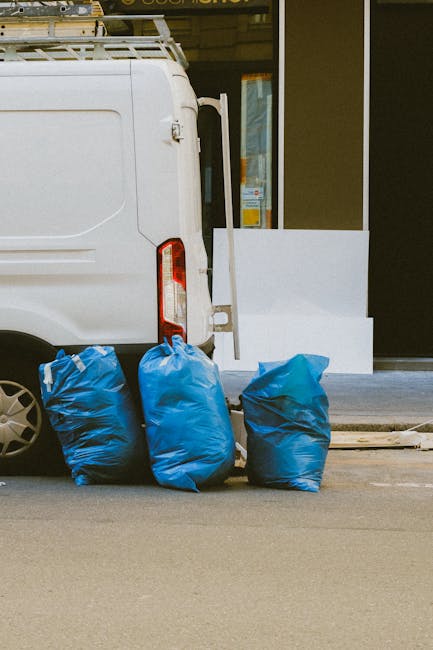
Common problems with fly tipped rubbish in Farnborough and fixes

Fly tipped rubbish in Farnborough is more than an eyesore. It can block access, attract pests, create safety hazards, and turn a tidy street, lane, or business yard into a place people start avoiding. If you have ever walked past a dumped mattress, broken furniture, builders' waste, or half-bagged household rubbish on a damp morning, you will know the feeling: it looks bad, it smells worse, and it rarely stays put for long. This guide explains the common problems with fly tipped rubbish in Farnborough and fixes that actually help, whether you are dealing with a one-off dump, repeated dumping, or a larger clearance job that needs careful handling.
We will cover the practical side of the problem, why it matters, how to deal with it safely, where people often go wrong, and what a sensible response looks like in the real world. Not the polished version. The real one.
Why Common problems with fly tipped rubbish in Farnborough and fixes Matters
Fly tipping causes a chain reaction. One dumped pile often leads to more. People see waste already there and assume the spot is acceptable for their own unwanted items. It is a grim little snowball effect, and once it starts, the mess can spread quickly.
In a place like Farnborough, the problems are not just visual. Waste near footpaths, alleyways, car parks, and shared access routes can make daily life awkward for residents and businesses alike. A pile of sharp rubble beside a bin store or a mattress leaning across a narrow service path is not just untidy; it is a trip hazard, a fire risk, and a magnet for vermin. Food waste and broken packaging make it worse, especially in warmer weather when smells and insects arrive in no time.
There is also the broader community impact. Fly tipped rubbish can make an area feel neglected, and once that impression sets in, people tend to notice every other small problem too. Graffiti, litter, damaged fencing, blocked drains. It all begins to feel connected, even when it started with one abandoned sofa. Truth be told, that affects confidence in a street far more than many people expect.
For landlords, facilities teams, shop owners, and homeowners, the fix is not only about removing waste. It is about stopping repeat dumping, making a site less attractive to offenders, and dealing with the right waste stream properly. That is why services such as waste removal and builders waste clearance matter here: the job is not simply collection, but safe and lawful disposal.
How Common problems with fly tipped rubbish in Farnborough and fixes Works
Fly tipping problems usually start with convenience. Someone wants rid of waste quickly and cheaply, or without sorting it properly, and the easiest option is to dump it somewhere hidden, quiet, or poorly monitored. That might be a road verge, a rear access lane, a private forecourt, or land beside a commercial building. Once it appears, others often follow. A single sack becomes a bag, then a pile, then a mixed heap of household junk, garden waste, plasterboard, old chairs, and packaging.
The fix depends on what kind of waste is there and who is responsible for the land. On private property, owners or managers usually need to arrange removal. On public land, reporting and coordination may be needed, but the waste still needs practical handling if it becomes urgent. In many situations, the most effective solution is to remove the rubbish promptly, separate the items that can be reused or recycled, and then make the location less appealing for a repeat incident.
Common fly tipped loads in and around Farnborough often include:
- household rubbish bags and loose rubbish
- mattresses, wardrobes, sofas, and other furniture
- garden waste and hedge cuttings
- DIY debris such as rubble, plasterboard, timber, tiles, and bricks
- office waste, cardboard, broken chairs, and packaging
- garage clutter, old appliances, and mixed junk from a rushed clear-out
The reason this becomes a problem is not just volume. Mixed waste is messy to sort, sometimes heavy, sometimes sharp, and occasionally contaminated. One old broken cabinet can hide nails, splinters, mould, or glass. Nice.
A proper response often involves a site visit, assessment of access, safe loading, and a disposal route that matches the type of waste. For larger domestic jobs, services like house clearance, home clearance, or flat clearance may be more suitable than a general tidy-up, especially where the dumped waste is mixed with belongings or left behind after a move.
Key Benefits and Practical Advantages
Fixing fly tipped rubbish quickly does more than make a place look nicer. It sets the tone for the whole area. You reduce the chance of repeat dumping, lower the risk of pests, and make access safer for residents, visitors, tradespeople, and delivery drivers.
Here are the main advantages:
- Faster return to normal use - paths, entrances, and parking spaces can be used again without hesitation.
- Lower health and safety risk - fewer trip hazards, sharp edges, and contaminated materials.
- Less chance of repeat dumping - the clearer and cleaner a spot is, the less likely it becomes a target.
- Better appearance - tidy surroundings matter, especially for homes that are being sold or let, and for businesses that rely on a good first impression.
- Improved sorting and recycling outcomes - when waste is handled properly, reusable or recyclable items are easier to separate.
There is another benefit people forget until it bites them later: time. A fast fix usually costs less in stress than waiting until the heap grows. Two black sacks are one thing. Two black sacks plus broken furniture, wet cardboard, and a mystery bag that smells odd? Different story altogether.
For businesses, keeping waste under control also supports day-to-day operations. A clean rear yard or loading area reduces friction for staff and contractors. If your site regularly deals with mixed commercial waste, business waste removal can help keep recurring waste streams from turning into another unmanaged pile.
Who This Is For and When It Makes Sense
This topic matters to more people than you might think. It is not just for homeowners dealing with a mystery pile by the hedge.
- Homeowners who find dumped rubbish on driveways, side passages, gardens, or shared access ways.
- Landlords and letting agents who need to clear abandoned waste between tenancies or after a property has been misused.
- Shopkeepers and office managers who find waste left near rear entrances, bins, or service yards.
- Builders and tradespeople who need to distinguish between legitimate project waste and dumped rubbish added by others.
- Residents' associations and site managers looking for a practical way to keep communal areas tidy and usable.
It makes sense to act quickly when the rubbish is:
- blocking access or visibility
- smelling strongly
- mixed with sharp, broken, or heavy items
- near children's play areas or public paths
- getting bigger day by day
- creating a fire or pest concern
Sometimes people hesitate because they are not sure whether the waste is "their problem". Fair enough. But if it is on your property or causing a direct issue to your site, waiting rarely improves anything. In our experience, the earlier you deal with it, the simpler the fix tends to be.
Step-by-Step Guidance
If you are facing fly tipped rubbish in Farnborough right now, keep the process calm and methodical. The aim is not to overcomplicate it. It is to stop the mess becoming a bigger job than it already is.
- Check the situation from a safe distance. Look for sharp objects, chemicals, syringes, broken glass, leaking containers, or anything that could be hazardous. Do not rummage through the pile with bare hands.
- Identify what type of waste it is. Household waste, garden waste, builders' rubble, furniture, and electrical items all need different handling. Mixed waste usually needs a more flexible clearance plan.
- Take photos and note the location. This helps with internal records, insurance discussions, or reporting if you need to show the extent of the issue later. Keep it simple; a few clear images are enough.
- Decide whether it is an urgent safety issue. If access is blocked, there is contamination, or the waste is unstable, prioritise removal rather than delay.
- Separate what can be kept apart. If safe to do so, identify reusable furniture, recyclable materials, and general waste. A little sorting now can reduce disposal pressure later.
- Arrange the right clearance method. For small domestic piles, general waste removal may be enough. For bigger or mixed loads, you may need a more specific service such as garden clearance, garage clearance, or even loft clearance if the rubbish came from an upstairs clear-out.
- Confirm disposal and recycling approach. Ask how the waste will be handled, especially if it includes furniture, wood, metals, or items that can be diverted from landfill. A responsible provider should be able to explain this plainly.
- Prevent repeat dumping. Once the site is clear, improve lighting, locking, signage, bin storage, or access control where possible. Tiny changes often make a big difference.
A small aside here: one of the most common mistakes is trying to "sort it all out" by moving half the pile around for an hour. It feels productive. It usually just spreads the mess. Ask me how we know.
Expert Tips for Better Results
There is a difference between removing rubbish and solving the underlying problem. A tidy finish is good; a tidy finish that lasts is better.
Think in terms of access, not just waste
If access is awkward, the job becomes slower and more expensive. Narrow gates, steps, muddy ground, and poor parking all matter. Before arranging any clearance, consider how loaders, trolleys, or vehicles will reach the waste without damaging surfaces or causing disruption. That is one reason services like furniture clearance or furniture disposal can be useful: bulky items are easier to deal with when the process is planned around the property, not around guesswork.
Keep contamination in mind
Wet waste, mouldy fabric, oil-soaked materials, or items mixed with food waste can change how a load needs to be handled. If there is any doubt, keep contaminated items separate and mention them clearly when arranging removal.
Use the clean-up moment to improve the site
This is the part people skip. Once the rubbish is gone, look at why the spot was vulnerable. Is it dark at night? Is the boundary open? Is there an easy place for someone to dump a bag without being seen? A quick fix now saves a headache later.
Choose the right service for the job
A household clear-out, a small office job, and a pile of builders' rubble are not identical. If the waste includes renovation debris, builders waste clearance may be the better fit. If the issue is work-related and repeated, office clearance or business waste removal may make more sense.
Ask about recycling and disposal standards
Even when the main goal is speed, it helps to know that reusable or recyclable items will be handled sensibly. If sustainability matters to you - and it usually should - look for a provider that can explain its approach to sorting, reuse, and recycling. You can also review the company's recycling and sustainability information and, for practical expectations on process and payment, check pricing and quotes and payment and security.
Common Mistakes to Avoid
Fly tipped rubbish can tempt people into quick fixes that create new problems. That is very human. It is also where things go sideways.
- Ignoring the waste for too long. Small piles become large piles. It is almost a law of nature at this point.
- Trying to move hazardous items without protection. Broken glass, needles, chemicals, and contaminated waste need careful handling.
- Mixing useful items with general waste. If furniture, wood, cardboard, and rubble are all mixed together, you lose easy recycling opportunities.
- Using the wrong clearance approach. A general tidy-up service is not always enough for bulky, mixed, or heavy waste.
- Forgetting repeat dumping prevention. Clearing the waste but leaving the access point unchanged can invite the same problem back.
- Assuming all waste can be treated the same. It cannot. Garden waste, office junk, broken furniture, and builders' debris each bring different disposal considerations.
One more practical slip-up: people often wait until a site is "perfectly sorted" before arranging help. That sounds organised, but it can actually delay the job for no good reason. If the load is already mixed and awkward, say so. Clear communication saves time.
Tools, Resources and Recommendations
You do not need a van full of specialist gear to start dealing with a fly tipping issue, but a few basics help.
- Heavy-duty gloves for any safe, limited handling
- Closed footwear with decent grip
- Bin bags or rubble sacks for safe, contained collection of smaller items
- Torch or work light if the area is dim or the problem is near a rear access point
- Camera or phone for before-and-after records
- Basic sorting containers if you are separating recyclable materials from general waste
For larger jobs, the real resource is a reliable clearance plan. That may mean a full property service such as house clearance or a more targeted option like garage clearance, depending on where the waste is concentrated. If the mess came from an overfilled outside space, garden clearance can be the sensible route.
One useful recommendation: keep a simple incident log if fly tipping happens more than once. Date, time, location, type of waste, and any changes you notice. It sounds a bit formal, I know, but it helps spot patterns. Repeated dumping at the same access point usually means the site needs a physical or operational change, not just another cleanup.
Law, Compliance, Standards, or Best Practice
This part needs a careful tone. Fly tipping can involve property responsibility, waste handling rules, insurance considerations, and general health and safety duties. The exact legal position will depend on who owns the land, what the waste contains, and how it has been stored or moved. So it is wise to avoid guesswork.
In plain English, the best practice is straightforward:
- do not handle hazardous waste without proper precautions
- keep access routes clear during removal
- use a disposal route appropriate to the waste type
- retain records of the clearance if you are responsible for the site
- make sure staff, residents, or contractors are not put at unnecessary risk
For businesses and landlords, reasonable record-keeping is especially useful. If there is a complaint, an insurance query, or a recurring issue, being able to show what was found, when it was removed, and how it was handled can save a lot of back-and-forth later. Not glamorous, but useful. Very useful.
If you want to understand how a provider approaches safer working and liability, pages like health and safety policy, insurance and safety, and terms and conditions are worth reviewing before you book anything.
Options, Methods, or Comparison Table
Not every fly tipping problem needs the same fix. The right choice depends on scale, access, and how mixed the waste is.
| Option | Best for | Strengths | Limitations |
|---|---|---|---|
| DIY bagging and sorting | Small, safe, non-hazardous piles | Cheap, quick for light waste | Not suitable for heavy, sharp, or contaminated items |
| Targeted clearance service | Bulky furniture, mixed junk, domestic waste | Efficient, less disruption, better for awkward access | May not suit highly specialised waste streams |
| Specialist builders' waste handling | Rubble, timber, plasterboard, renovation debris | Better handling of heavy materials, more organised disposal | Needs clear description of the waste load |
| Commercial waste arrangement | Repeated office or site waste issues | Good for recurring needs, cleaner workflow | Requires planning and clear segregation |
To be fair, the "best" option is usually the one that gets the site safe quickly without creating a bigger mess. For one-off dumps, speed matters. For recurring problems, prevention matters just as much.
Case Study or Real-World Example
Picture a small rear access area behind a mixed-use property in Farnborough. One Monday morning, the manager finds several bin bags, a broken wardrobe, and a pile of cardboard left against the fence. By Wednesday, someone has added an old chair and a bag of garden cuttings. It is still small enough to manage, but now it is spreading.
The first step was not to start dragging everything around. Instead, the manager photographed the waste, checked for sharp or contaminated items, and identified what could be separated safely. The wardrobe and chair were clearly bulky furniture, while the garden cuttings were damp and beginning to smell. That told them two things: it needed swift removal, and the site needed better deterrence afterwards.
A clearance plan was arranged for the full mix of waste rather than piecemeal removal. Once cleared, the manager reviewed access and found the rear gate latch had been unreliable for weeks. That mattered more than expected. The fix was simple enough: improve the latch, tidy the area, and make the waste storage point less visible from the side passage. Since then, the problem has been far less frequent.
This is a good example of the real lesson behind fly tipping. The waste is the visible issue, but access, visibility, and routine are often the underlying causes.
Practical Checklist
Use this checklist if you are dealing with fly tipped rubbish in Farnborough and want a calm, sensible response.
- Check whether the waste is hazardous, sharp, or contaminated.
- Photograph the site before anything is moved.
- Confirm whether the waste blocks access or creates a safety risk.
- Identify the main waste type: household, garden, builders', furniture, or mixed.
- Separate reusable or recyclable items where safe.
- Choose a clearance option that fits the volume and access conditions.
- Review whether the site needs better lighting, locking, signage, or boundary control.
- Keep records of what was removed and when.
- Check if any repeat dumping pattern is starting to emerge.
- Follow up on prevention, not just removal.
If you can tick most of those boxes, you are already ahead of the game. The big thing is to stay methodical. No drama needed.
Conclusion
Fly tipped rubbish is never just a pile of unwanted items. In Farnborough, it can affect safety, appearance, access, morale, and the way a property or street is used every day. The best fixes are usually practical ones: remove the waste quickly, separate it sensibly, handle any risky items carefully, and stop the same spot from being used again.
If you remember one thing, make it this: the clean-up is only half the job. The other half is preventing the next pile from appearing. That is where the real value is.
For larger, mixed, or awkward rubbish problems, it helps to compare the right service to the right job, whether that is waste removal, a more specific clearance service, or a planned approach for repeat waste issues. If you want to learn more about the company behind these services, you can also read about us.
Get a free quote today and see how much you can save.
And if your corner of Farnborough needs a fresh start, that first cleared-up space can make a bigger difference than you might expect.
Frequently Asked Questions
What counts as fly tipped rubbish?
Fly tipped rubbish is waste left illegally in a place that is not authorised for disposal. That can include black bags, broken furniture, builders' debris, garden waste, appliances, and mixed household junk.
Why does fly tipping happen so often?
Usually because someone wants to dispose of waste quickly, cheaply, or without sorting it properly. Once one pile appears, other people sometimes add to it, which makes the problem grow faster than it should.
Is fly tipped rubbish a health risk?
It can be. The risk depends on what has been dumped. Broken glass, sharp metal, mouldy items, pests, food waste, and unknown substances can all create safety concerns.
Should I move fly tipped waste myself?
Only if it is safe and small enough to handle properly. If there are hazardous materials, sharp objects, heavy items, or anything contaminated, it is better to avoid direct handling and arrange suitable clearance.
What is the fastest way to fix a fly tipping problem?
The fastest fix is usually a prompt assessment, safe removal, and a simple prevention step afterwards, such as better lighting, locking, or clearer site boundaries.
Can fly tipped rubbish be recycled?
Sometimes, yes. Furniture, metal, cardboard, wood, and some garden materials may be suitable for recycling or reuse if they are kept separate and handled correctly.
What if the dumped rubbish is on private land?
If it is on your land, you will generally need to arrange removal yourself. It is sensible to document the issue first and then choose a clearance method that matches the waste type.
What if the fly tipping keeps happening in the same spot?
That usually means the location is too easy to access or too hidden. Prevention may involve changing lighting, locking gates, improving visibility, or reviewing how waste is stored.
Do I need a specialist for builders' rubble and renovation debris?
Often, yes. Heavy or mixed construction waste is best handled as builders' waste rather than treated like ordinary household rubbish.
How do I choose between house clearance and waste removal?
Use house clearance when the issue involves a property or large volume of mixed contents. Use waste removal when the job is more general or focused on a smaller, specific pile.
Will a clearance service take awkward items like sofas, wardrobes, or mattresses?
Usually, yes, provided access is workable and the items are described clearly. Bulky furniture is common in fly tipped loads, so it is a familiar sort of job.
Where can I find more information about service expectations and safety?
Helpful pages to review include pricing and quotes, health and safety policy, and insurance and safety. They give a better sense of how the work is approached and what to expect.