Creative Ways to Minimize Harm When Getting Rid of PPE Waste
In recent years, the use of Personal Protective Equipment (PPE) has skyrocketed globally, especially amidst public health crises. While PPE plays a crucial role in safeguarding humans against infectious diseases, its usage has inadvertently led to a surge in waste, consequently aggravating environmental issues. Careless disposal of PPE, such as masks, gloves, and gowns, not only contributes to pollution but can also threaten wildlife and public health. Fortunately, numerous creative ways have emerged to minimize harm when getting rid of PPE waste. In this comprehensive guide, we explore innovative strategies for responsible PPE disposal, helping individuals and businesses transition to more sustainable practices.
Why Is PPE Waste Management Important?
PPE waste primarily consists of materials like plastics, synthetic fibers, and chemicals, making it non-biodegradable and challenging to manage. Inappropriate disposal leads to clogged water bodies, landfill overflow, and even the contamination of natural habitats. Here's why proper PPE waste management should be your priority:
- Environmental Safety: Correct disposal minimizes ecological damage, especially the threat PPE waste poses to marine and terrestrial animals.
- Public Health Protection: PPE can carry pathogens; improper handling elevates the risk of disease transmission.
- Waste Reduction: Responsible practices help reduce the overall waste sent to landfills.
- Resource Conservation: Creative management enables recovery of materials, promoting circular economy principles.
Unique and Eco-Friendly Ways to Dispose of PPE Waste
1. Implement Segregated Collection Points
A fundamental aspect of safe PPE waste disposal is proper segregation at source. Instead of tossing used PPE in general waste, establish dedicated bins for masks, gloves, and gowns. Mark these bins with clear signage and different colors for easy identification. This method prevents contamination of recyclable waste streams and also facilitates downstream handling, such as sterilization or recycling.
- Tip: Use foot pedal bins to avoid direct contact and reduce infection risk.
- Tip: Educate staff and community members about the importance of segregated disposal through campaigns and clear instructions.
2. Explore PPE Recycling Innovations
Recycling PPE waste was once considered impossible due to contamination and complex material composition. However, technological advances have led to specialized PPE recycling programs. Look for local or national initiatives that collect used PPE, such as TerraCycle's Zero Waste Boxes, which handle contaminated items safely and recycle them into useful goods like park benches and construction materials.
- Collaboration: Partner with hospitals, clinics, and organizations to pool resources for efficient collection and larger recycling initiatives.
- Product Innovations: New recycling methods allow the transformation of PPE waste into paving materials and plastic lumber.
3. Repurpose Non-Contaminated PPE Creatively
When PPE has not been used in a high-risk setting, repurposing offers a sustainable disposal alternative. Consider these inventive ideas:
- Art and DIY Projects: Use clean, unused PPE like masks for craft projects or educational material for raising awareness about waste management.
- Material Innovation: Fabric from gowns or caps can be reused for backing in quilts, stuffing, or even as protective covers for storage purposes.
4. Support PPE-to-Energy Initiatives
With most PPEs composed of plastics, another creative route is directing the waste to waste-to-energy facilities. These plants use high temperatures to break down PPE, converting it into electricity or heat while neutralizing pathogens. Although incineration should not be the first resort, when done in a controlled, modern facility equipped with pollution controls, it can serve as a viable harm reduction method for non-recyclable PPE waste.
- Contact local authorities or waste management companies to check for PPE incineration options with proper oversight and emission controls.
5. Switch to Biodegradable PPE Alternatives
The best way to address PPE waste is to minimize it from the outset. The market is now seeing innovative biodegradable PPE options made from natural fibers like bamboo, hemp, and cornstarch-based fabrics. Whenever possible, switch to these alternatives. They decompose naturally, reducing landfill load and environmental harm.
- Providers: Look for reputable suppliers offering certified compostable PPE products.
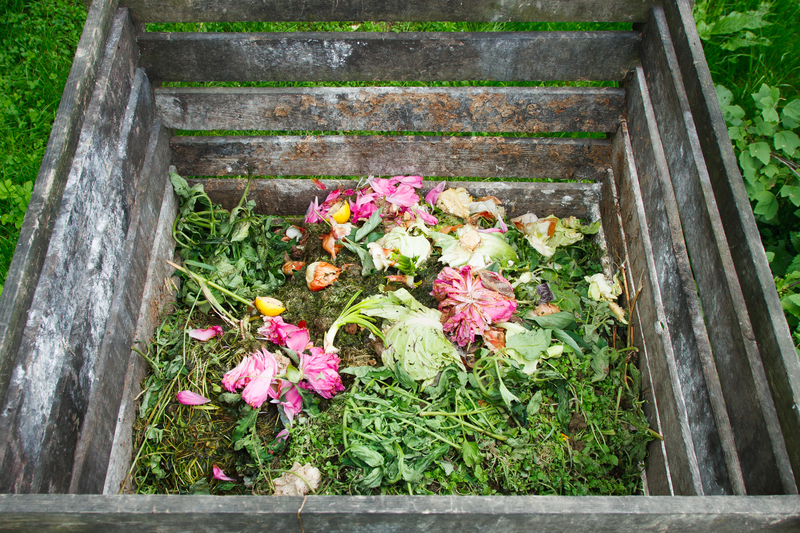
- Proper Composting: Set up on-site compost bins where biodegradable PPE can safely degrade.
6. Launch Community PPE Waste Drives
Mobilizing communities creates shared responsibility for minimizing environmental harm. Organize local PPE waste collection drives, encouraging neighbors to drop off used items at central, supervised locations. This makes it easier to channel larger volumes into recycling or safe disposal programs.
- Incentives: Offer rewards or recognition to participants who collect or properly separate more PPE waste.
- Awareness Campaigns: Use social media, posters, and local media to spread the word about safe PPE disposal.
7. Employ Decontamination and Reuse Protocols
Advancements in sterilization technology have enabled some types of PPE to be safely decontaminated and reused. For example, specific N95 respirator masks and face shields can undergo UV light treatment, vaporized hydrogen peroxide, or heat sterilization, significantly extending their usable life and reducing overall waste.
- Guidelines: Always follow manufacturer instructions and local health regulations on how many times PPE can be reused and which methods are permitted.
- Automation: Industrial settings can invest in large-scale decontamination systems.
Minimizing PPE Waste in Day-to-Day Life
Beyond disposal, a proactive approach focuses on reducing PPE waste generation in the first place. Here are practical, creative tips for minimizing harm in everyday scenarios:
- Choose Reusable PPE: Opt for washable cloth masks or face shields instead of single-use varieties wherever feasible.
- Educate & Advocate: Teach others about proper PPE use and disposal. Advocate for better waste management infrastructure in your community.
- Bulk Purchasing: Buy PPE supplies in bulk to minimize packaging waste.
- Proper Storage: Store PPE in airtight containers to maintain their integrity and minimize the need for premature disposal.
- Workplace Programs: Initiate PPE take-back or recycling schemes at offices, hospitals, and schools.
- Support Regulatory Changes: Encourage local authorities to set up formal channels for hazardous and medical waste collection.
What Are the Dangers of Improper PPE Disposal?
Understanding the consequences of mismanaged PPE waste is crucial for inspiring change. The dangers include:
- Ecosystem Damage: Animals, especially marine life, mistake disposed masks and gloves for food or get entangled, leading to fatalities.
- Disease Transmission: Contaminated PPE harbor viruses and bacteria capable of infecting sanitation workers, scavengers, and the broader community.
- Microplastics Pollution: Synthetic PPE fragments persist in nature, breaking down into microplastics that infiltrate food chains.
- Blockages and Litter: Improperly disposed PPE clogs drains, causing floods and public nuisance.
Innovative Global Examples of PPE Waste Solutions
Several countries and organizations have set inspiring examples in managing PPE waste:
- India: Pilot projects convert PPE into construction materials such as bricks and tiles, reducing landfill dependency.
- United Kingdom: National Health Service hospitals have established segregation, quarantine, and recycling zones for institutional PPE waste streams.
- United States: Some states allow PPE collection via mail-back programs for recycling, supporting a cost-effective circular solution.
- Australia: The Clean Up Australia campaign collects PPE and other plastics as part of its annual national clean up.
How Businesses Can Lead in Sustainable PPE Disposal
Businesses, especially in healthcare and hospitality, have immense influence in shaping responsible PPE waste practices. Here's how organizations can reduce their environmental footprint:
- Environmental Audits: Regularly review waste generation and disposal patterns to identify areas for improvement.
- Sustainable Procurement: Choose suppliers offering eco-friendly, recyclable, or compostable PPE.
- Staff Training: Train employees on efficient use and correct segregation of PPE waste.
- Corporate Partnerships: Collaborate with recycling firms or participate in shared take-back schemes for bulk waste.

Tips for Encouraging Responsible PPE Waste Disposal
To spur widespread change, individuals and organizations must foster a culture of responsibility around PPE waste. Consider these practical tips to encourage better habits:
- Visible Signage: Provide clear notices about proper PPE bin usage.
- Regular Updates: Keep stakeholders informed about new disposal procedures or recycling locations.
- Reward Systems: Recognize and reward teams or individuals who consistently follow best practices.
Final Thoughts: The Path Forward for PPE Waste
The surge in PPE waste poses a formidable environmental and public health challenge. However, through creative solutions, community cooperation, and corporate commitment, we can significantly minimize harm when getting rid of PPE waste. By integrating awareness, innovation, and responsible action, we pave the way for a safer, cleaner, and more sustainable planet.
If you are an individual, business, or policymaker, now is the time to adapt these eco-friendly and innovative PPE disposal strategies. Collectively, our small changes can make a lasting impact--helping protect the Earth for generations to come.
Start today: Choose one creative PPE waste reduction idea and make it part of your daily routine!
Keywords: creative ways to minimize harm when getting rid of PPE waste, PPE waste disposal, PPE recycling, PPE waste management, dispose of PPE safely
