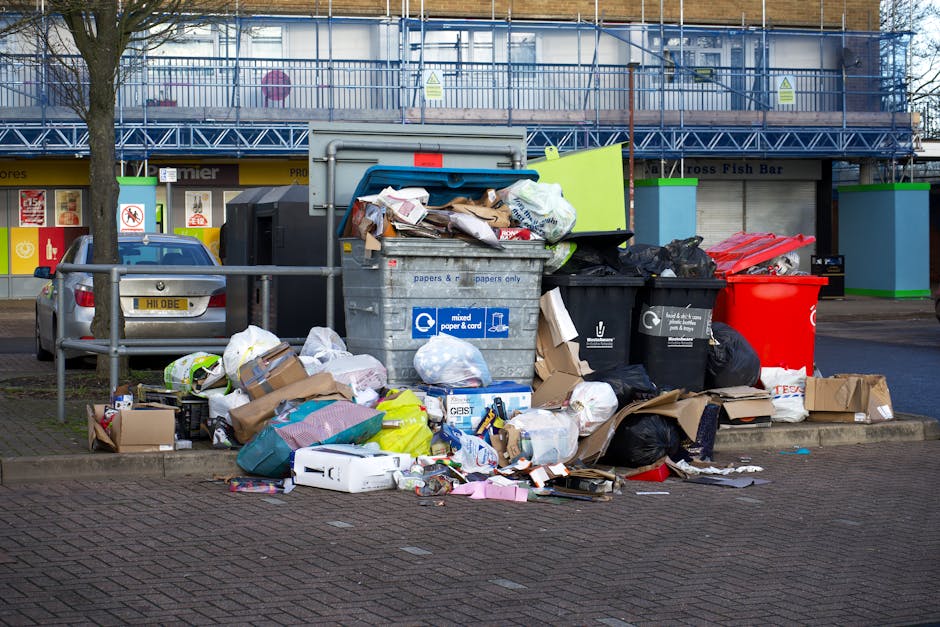
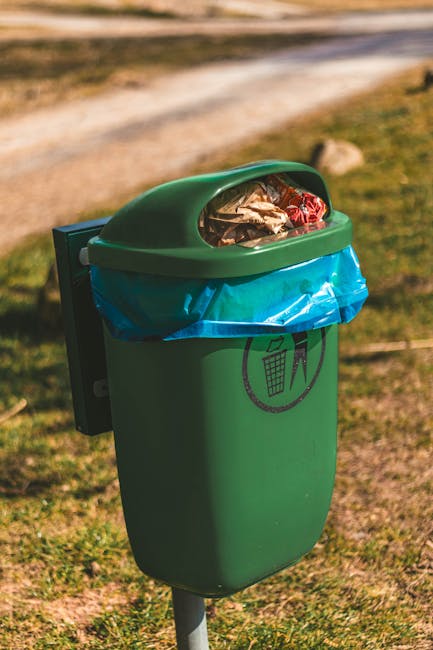
Queensmead garden rubbish clearance Farnborough tips: a practical local guide for tidier outdoor spaces
If your garden is starting to look less like a place to relax and more like a holding area for branches, old turf, bagged cuttings, broken planters, and that pile you keep meaning to sort out, you are not alone. Queensmead garden rubbish clearance Farnborough tips are really about one thing: making the job simpler, safer, and less expensive while keeping the whole process tidy and manageable.
Whether you are clearing after a big prune, getting ready for a move, dealing with post-storm debris, or just reclaiming the patio before the weather turns, a good plan saves time. It also helps you avoid the classic last-minute scramble: the van arrives, and suddenly everything is mixed together with no clear idea of what goes where. A bit annoying, truth be told.
This guide walks through how garden rubbish clearance works in practice, what to sort before collection, how to reduce costs, what to avoid, and when professional help makes sense. It also includes local-minded advice for Farnborough homeowners, landlords, tenants, and small businesses who need a cleaner outdoor space without the faff.
For related support on waste removal and domestic clearance, you may also find garden clearance services useful, especially if your job stretches beyond a few black bags and into full-site tidying. If the mess includes mixed household items as well, domestic clearance help can be a sensible next step. And for larger tidy-ups involving access issues or heavy lifting, man and van clearance support is often the easier route.
Table of Contents
- Why Queensmead garden rubbish clearance Farnborough tips Matters
- How Queensmead garden rubbish clearance Farnborough tips Works
- Key Benefits and Practical Advantages
- Who This Is For and When It Makes Sense
- Step-by-Step Guidance
- Expert Tips for Better Results
- Common Mistakes to Avoid
- Tools, Resources and Recommendations
- Law, Compliance, Standards, or Best Practice
- Options, Methods, or Comparison Table
- Case Study or Real-World Example
- Practical Checklist
- Conclusion
- Frequently Asked Questions
Why Queensmead garden rubbish clearance Farnborough tips Matters
Garden rubbish has a habit of building up quietly. One weekend it is a few hedge trimmings and a broken trellis. Next thing you know, the corner by the shed is full, the path is awkward to walk through, and there is a faint smell of damp green waste after a rainy spell. Not dramatic, but enough to make the whole garden feel neglected.
That is why a practical approach matters. Good garden rubbish clearance is not just about throwing things away. It is about separating waste properly, keeping reusable items out of the skip pile, and making sure the job is done without turning the garden into a temporary building site. In a place like Farnborough, where many homes have compact gardens, side access, shared drives, or limited storage, planning matters even more.
People often search for tips because they want a result that is clean, fast, and sensible. Maybe you have a one-off clearance after landscaping, or perhaps you are trying to stay on top of seasonal cutbacks. Either way, the same principles apply: sort early, lift safely, and choose a clearance method that fits the amount and type of waste.
If your garden work is linked to broader household tidying, it can help to look at how other clearance services fit together. For example, our house clearance service can be relevant where outdoor clutter is only one part of a bigger declutter, and garage clearance may help if your lawn tools, pots, and bags of soil have overflowed into storage space.
How Queensmead garden rubbish clearance Farnborough tips Works
At a practical level, garden rubbish clearance is the process of collecting, loading, transporting, and disposing of outdoor waste in a responsible way. The job can be small and straightforward, or it can be a mixed load with branches, soil, fence panels, broken furniture, and awkward bulky items. The more mixed the waste, the more planning helps.
The simplest way to think about it is this: first identify what needs to go, then separate it into sensible groups, then decide whether you are handling it yourself or using a clearance service. That sequence sounds basic, but it prevents a lot of wasted time. If you leave everything in one heap, you end up sorting in the dark, so to speak.
In a normal garden clearance, you may deal with:
- grass cuttings and hedge trimmings
- branches, logs, and twigs
- old compost, soil, turf, or planters
- broken garden furniture
- weathered timber, trellis, or fence sections
- children's outdoor items or broken storage boxes
- rusty tools, pots, and mixed debris
The details matter because not all garden waste is treated the same way. Green waste, soil, wood, metal, and mixed rubbish can each need different handling. If you are using a professional clearance team, being clear about the mix helps them plan the right vehicle, loading time, and disposal route. That usually means fewer surprises and a smoother day all round.
For people managing multi-room clearances that include outdoor spaces, the office clearance page may seem unrelated at first glance, but the underlying principle is the same: sort waste properly before removal so the job runs efficiently and safely. Different setting, same logic.
Key Benefits and Practical Advantages
A well-managed garden clearance does more than improve appearances. It reduces trip hazards, opens up usable space, and gives you a clearer view of what actually needs attention next. That last point is underrated. Once the clutter is gone, you can finally see the garden for what it is, rather than what it has become.
Here are the main benefits people notice:
- Better use of space - patios, lawns, side returns, and storage corners become usable again.
- Improved safety - fewer sharp edges, unstable piles, and hidden objects under debris.
- Less stress - one obvious job feels more manageable than a vague, messy project.
- Cleaner presentation - useful for tenants, landlords, buyers, or anyone hosting guests.
- More efficient gardening - pruning, mowing, and planting are easier when the area is clear.
- Smarter disposal - the right separation can reduce wasted effort and avoid unnecessary load size.
There is also a practical money-saving angle. A clear, sorted load often takes less time to remove than a mixed, crushed pile. In our experience, the best outcomes happen when the homeowner spends ten minutes tidying the waste type before collection rather than leaving everything for the final sweep. It sounds small. It is small. But it adds up.
Expert summary: The best garden rubbish clearance is usually not the fastest pile-and-go job; it is the one that starts with sorting, keeps the load manageable, and avoids turning reusable or recyclable materials into expensive mixed waste.
Who This Is For and When It Makes Sense
This kind of clearance suits a wide range of people. You do not need a huge overgrown garden to benefit. Sometimes it is just about getting ahead of seasonal growth or clearing the aftermath of one very enthusiastic weekend with the hedge trimmer.
It makes sense if you are:
- a homeowner clearing after pruning, landscaping, or a garden redesign
- a tenant who needs to return an outdoor area in good condition
- a landlord preparing a property for new occupants
- a householder with limited time, limited storage, or no vehicle for waste runs
- someone dealing with bulky or heavy garden waste that is awkward to move safely
- a business owner with outdoor frontage, planters, or external storage areas to tidy
It also makes sense when you are staring at a pile and thinking, "I could do it myself, but do I really want to spend half a Saturday loading wet branches into the car?" That is a fair question. Sometimes the answer is yes, because the job is tiny. Sometimes the answer is definitely no, because the job has quietly become bigger than it looked from the kitchen window.
For readers balancing outdoor clearance with other decluttering priorities, shed clearance can be a helpful related service, especially when the garden mess is partly caused by old storage, broken tools, or years of "I'll sort that later" items.
Step-by-Step Guidance
If you want garden rubbish clearance to run smoothly, keep the process simple and orderly. Here is a practical approach that works well for most homes in Farnborough and similar residential areas.
1. Walk the garden and identify all waste types
Start with a slow walk around the whole space. Look in borders, behind sheds, along fences, and under benches. Garden waste often hides in plain sight. Make one pile for green waste, one for bulky hard waste, and one for anything you are unsure about.
2. Separate reusable items from rubbish
Some items do not belong in the waste pile at all. A planter may be cracked but still usable. A fence post may need repair rather than disposal. If there is a chance something can be reused, store it separately before the clearance starts. That tiny bit of judgement can save both space and money.
3. Check access before lifting anything heavy
Look at gates, side paths, steps, slopes, and narrow points. Heavy soil bags or old sleepers can be awkward, especially if access is tight. If you know the route is difficult, plan the loading order accordingly so the heaviest items are removed first or handled with the right equipment.
4. Bag or bundle loose waste where practical
Cuttings, leaves, and light debris are easier to move if they are bagged neatly. Branches can be bundled. Just do not overfill bags to the point where they split on the way out. Everyone has seen that one bag giving up halfway to the van. Not ideal.
5. Keep soil, rubble, and green waste separate if possible
Mixed loads are usually more awkward to handle. Soil is heavy, wet green waste compresses differently, and broken hard materials can damage or complicate the loading process. Clear separation makes the whole job more efficient.
6. Decide whether the load suits DIY removal or professional clearance
For a few bags, a car boot and a local facility may be enough. For larger, heavier, or mixed waste, a professional clearance service is often the safer choice. If you are unsure, describe the job clearly and ask what they would classify it as. That alone can avoid a lot of misunderstanding.
7. Leave a final sweep for the end
Once the bulk of the rubbish has gone, do a last visual check. Small nails, bits of wire, snapped plastic ties, and hidden shards are easy to miss in a messy garden. A quick sweep or rake at the end makes the space feel genuinely finished.
Expert Tips for Better Results
There are a few small habits that consistently improve garden clearance results. None of them are dramatic. They just make life easier, which is usually what people want anyway.
- Clear from the top down. Start with loose items, then move to heavier debris, then finish with the ground layer.
- Keep tools close. Gloves, a rake, a tarp, shears, and strong bags should be within easy reach, not scattered in the shed.
- Work in zones. Divide the garden into sections so the task feels finite. Front, side, back. Simple.
- Photograph the pile before collection. This helps you remember what is going and can be useful if you are comparing service quotes.
- Plan for weather. Wet waste gets heavier fast. If rain is due later in the day, start early.
- Use a tarp for dragging light waste. It protects paths and makes transport easier across gravel or lawn.
One thing people often forget: the best time to clear garden rubbish is not when you are already exhausted. If you can, do the sorting first, take a short break, and then finish the lifting. It sounds almost too sensible, but it really does help.
If your clearance includes an old outdoor structure or broken storage, shed demolition support may be a relevant next step before removal. A badly broken shed can produce more mess than the shed itself, which is one of those annoyingly true garden facts.
Common Mistakes to Avoid
Most problems with garden rubbish clearance are predictable. The job gets started too quickly, the waste gets mixed together, and then the removal stage becomes slower and more costly than expected.
- Mixing all waste types in one pile. This makes sorting harder and may complicate disposal.
- Underestimating weight. Wet soil, turf, and branches are much heavier than they look.
- Leaving hidden hazards in the pile. Broken glass, rusted nails, sharp wire, and splintered wood are common culprits.
- Blocking access routes. If the path to the van is crowded, everything takes longer.
- Forgetting about reusable materials. Old timber, pots, and tools may still have value or use.
- Not checking what the service includes. Some jobs need loading only, some need full clear-up, and some need extra help with bulky items.
A smaller but very real mistake is trying to do too much in one session. Gardens have a habit of making people overestimate their energy. By the second hour, the enthusiasm has gone, the tea has gone cold, and you are staring at a root ball wondering why you started. Been there, basically.
Another common issue is failing to think about where waste will be placed before collection. A flat, accessible location near the exit saves a surprising amount of time. If you leave bags tucked behind planters and stacked awkwardly by the fence, every trip becomes a mini obstacle course.
Tools, Resources and Recommendations
You do not need a shed full of specialist kit to manage garden rubbish well. A few sensible tools will cover most jobs, especially if the goal is to prepare the waste neatly for removal.
| Item | Why it helps | Best use |
|---|---|---|
| Heavy-duty gloves | Protects hands from thorns, splinters, and rough edges | Branch cutting, lifting, sweeping debris |
| Strong rubble or garden bags | Makes loose waste easier to carry and stack | Leaves, cuttings, light mixed debris |
| Tarpaulin | Helps drag or stage waste on clean surfaces | Side returns, patios, gravel paths |
| Rake or leaf collector | Speeds up final gathering | Lawns, borders, and loose litter |
| Loppers or pruning shears | Reduces bulky branches to manageable sizes | Hedges, shrubs, small limbs |
| Wheelbarrow | Useful for moving heavier loads safely | Soil, turf, cuttings, plant pots |
For more complex clearances, the real resource is often planning rather than tools. A simple written list of what is staying, what is going, and what needs special handling can make the whole process feel calmer. That is especially helpful if more than one person is involved and everyone has a different opinion on what counts as "garden rubbish."
If outdoor waste is tied to a larger move or property reset, removals support can help with the bigger logistics picture. And if your project is really about emptying and resetting a room or outbuilding rather than just the garden, the loft clearance page may be useful for the internal half of the job.
Law, Compliance, Standards, or Best Practice
Garden rubbish clearance is not only about convenience. There are sensible compliance and best-practice points to keep in mind, especially if you are disposing of waste yourself or hiring someone to do it.
In the UK, household waste should be managed responsibly, and anyone handling waste commercially should do so in line with the relevant legal duties and disposal expectations. Rather than trying to guess the technicalities from memory, the safe approach is straightforward: use a reputable clearance provider, ask where the waste goes, and make sure it is handled through proper channels. If you are disposing of waste yourself, separate material carefully and use approved local facilities where appropriate.
Best practice also means thinking about safety. Wear gloves, avoid overloading bags, and do not lift items that are too heavy or awkward to move alone. Wet branches, broken slabs, and stacked timber can shift suddenly. That is where small mistakes become sore backs or scraped hands. Not worth it.
If a job includes soil, rubble, timber, or mixed waste from a larger project, ask in advance how it will be classed. Different waste types can be treated differently, and it is better to clarify than to assume. A sensible clearance service should be able to explain the basics in plain English.
There is also a neighbourly side to all this, which people sometimes overlook. If waste is being moved through a shared access or placed outside before collection, keep the area tidy and avoid leaving loose debris around. It is a small thing, but good manners and good practice go together.
Options, Methods, or Comparison Table
There is no single right way to deal with garden rubbish. The best option depends on volume, weight, access, time, and how much effort you want to put in. Here is a simple comparison that may help.
| Method | Best for | Pros | Cons |
|---|---|---|---|
| DIY bagging and local disposal | Small, light garden waste | Low cost, flexible timing | Time-consuming, physical effort, transport limits |
| DIY with trailer or larger vehicle | Moderate loads with good access | More capacity, can suit repeat trips | Needs vehicle access, loading can be hard work |
| Professional garden clearance | Large, mixed, bulky, or awkward loads | Fast, convenient, less lifting for you | Costs more than DIY |
| Partial self-clearance plus professional finish | Mixed jobs where you can sort some waste first | Can reduce cost while keeping the task manageable | Requires good organisation |
If you are on the fence, ask yourself two questions: how much is your time worth this weekend, and how awkward is the waste to move? If the answer to either is "quite a lot", professional support may be the cleaner choice.
For customers comparing wider clearance needs, the commercial clearance service may be relevant where a property has outdoor frontage, storage areas, or mixed-use waste from business premises.
Case Study or Real-World Example
Picture a typical Queensmead-style garden job: a small back garden, a few shrubs overgrown after a wet spring, two bags of old compost, a broken plastic storage box, and a handful of timber offcuts from a DIY project that got paused and then forgotten about. Nothing outrageous, just enough to make the space feel cramped.
The homeowner starts by separating the green waste from the hard rubbish. The branches are cut down to manageable lengths, the wet leaves are bagged, and the storage box is set aside with the timber because it is bulky but lightweight. A quick sweep of the path reveals a few loose screws and some old plant ties near the border. Those are removed before anything gets loaded.
What changed the outcome was not a miracle tool or a giant team. It was simple order. The pile became smaller, the access route stayed clear, and the final removal took less time than expected. By the end of the afternoon, the patio looked bigger, the fence line was visible again, and the whole garden felt easier to use. Small win, but a proper one.
This is the real value of good clearance tips. They stop the job from becoming a vague, exhausting mess. They also make the garden feel like yours again, which honestly is the part most people want.
Practical Checklist
Use this checklist before arranging garden rubbish clearance or starting the job yourself.
- Walk the whole garden and note every waste pile
- Separate green waste, timber, metal, soil, and mixed rubbish
- Pull out anything reusable before loading begins
- Check paths, gates, and side access for obstacles
- Gather gloves, bags, rake, shears, and a tarp
- Bundle branches and avoid overfilling bags
- Keep sharp or hidden hazards away from loose waste
- Decide whether DIY disposal or a professional clearance suits the load
- Make sure the waste can be reached easily on collection day
- Do a final sweep so the space is left clean and usable
If you want one simple rule to remember, make it this: sort before you shift. It saves time, reduces stress, and usually improves the result. That small bit of discipline pays off every single time.
Conclusion
Queensmead garden rubbish clearance Farnborough tips are really about practical control. The aim is not to overcomplicate the job, but to make sure your garden waste is sorted, lifted, and removed in a way that feels tidy and sensible. Whether you are clearing a few bags after a weekend prune or dealing with a much bigger outdoor reset, the same approach works: plan the load, separate the waste, protect access, and choose the method that fits the scale of the job.
That is often the difference between a stressful pile of damp branches and a garden that feels calm again by tea-time. Not glamorous, maybe. But extremely satisfying.
If your clearance is part of a larger declutter, or you simply want help getting the job finished properly, it is worth exploring related support options and choosing the one that matches your situation rather than forcing a DIY solution that will only take longer. A tidy garden has a way of lifting the whole home, and sometimes that first clear patch of ground is enough to get everything else moving.
Get a free quote today and see how much you can save.
Frequently Asked Questions
What is the best way to clear garden rubbish in Queensmead or Farnborough?
The best method depends on the size and type of waste. For small light loads, bagging and DIY disposal may be enough. For mixed, heavy, or bulky waste, a professional clearance service is usually quicker and safer.
Can I mix green waste with general garden rubbish?
You can, but it is usually better not to. Keeping green waste separate from timber, soil, and general rubbish makes loading easier and can help avoid unnecessary complications during disposal.
How do I know if my garden waste is too heavy for DIY removal?
If the bags are hard to lift safely, the pile includes wet soil or turf, or you need repeated trips in a car that is not suited to the load, it is probably beyond a comfortable DIY job.
Do I need to remove soil and turf separately?
Yes, if possible. Soil and turf are much heavier than cuttings or leaves, and they are easier to manage when treated as a separate part of the clearance.
What should I do with broken fence panels or old garden furniture?
Set them aside as bulky hard waste rather than mixing them with green waste. That makes the collection process simpler and helps prevent sharp edges from getting buried in the pile.
Is it worth sorting garden rubbish before a clearance team arrives?
Absolutely. A bit of sorting upfront can save time, reduce confusion, and make the collection more efficient. Even a rough separation between green waste and hard waste helps a lot.
How can I reduce the cost of garden rubbish clearance?
Keep the load organised, remove reusable items, and separate waste types where practical. Clear access and a tidy staging area can also help the job run faster, which may improve overall value.
What if my garden has limited access?
Limited access is common, especially in compact homes. Measure gates and narrow paths, note steps or slopes, and mention the access issue clearly before booking any clearance service.
Can garden rubbish be cleared after landscaping work?
Yes. In fact, landscaping often creates the biggest mixed loads because it produces soil, turf, packaging, timber, and cuttings all at once. Planning the clearance stage early helps a lot.
What safety precautions should I take when handling garden waste?
Wear gloves, check for hidden sharp objects, do not overload bags, and avoid lifting items that feel awkward or unstable. Wet and compacted waste can be surprisingly heavy, so pace yourself.
How long does a typical garden clearance take?
That depends on the size of the job and the access available. A small tidy-up may take very little time, while a larger mixed clearance can take much longer. Sorting beforehand usually speeds things up.
When should I hire a professional instead of doing it myself?
If the waste is heavy, bulky, mixed, time-sensitive, or difficult to move safely, professional help is often the better choice. It is also sensible if you simply do not want the hassle, which is fair enough.
Sometimes the smartest garden job is not the hardest one, just the one done with a clear head and a steady plan. And that, to be fair, is usually what makes the whole space feel better again.